
From Warning Lights to Performance Issues – We Find the Cause – and Fix It!
Modern vehicles are equipped with complex computer systems and sensors that monitor engine performance and emissions. Engine diagnostics play a crucial role in identifying issues early, keeping your vehicle running efficiently, and avoiding costly repairs. Here’s why diagnostics matter—and how to know when you need them.Why Engine Diagnostics Are Important
-
Identify Problems Early: Diagnostics can detect issues long before they become major failures, saving you time and money.
-
Prevent Costly Repairs: Catching problems early can help avoid damage to critical components like the engine, transmission, or catalytic converter.
-
Improve Performance: Diagnostics ensure your vehicle is running at peak efficiency by locating faults affecting power, fuel economy, or emissions.
-
Reduce Emissions: Many problems affect your car’s emissions system—diagnostics help keep your vehicle environmentally compliant.
-
Avoid Guesswork: Rather than replacing parts blindly, diagnostics pinpoint the exact issue, reducing unnecessary repairs.
Signs You May Need Engine Diagnostics
-
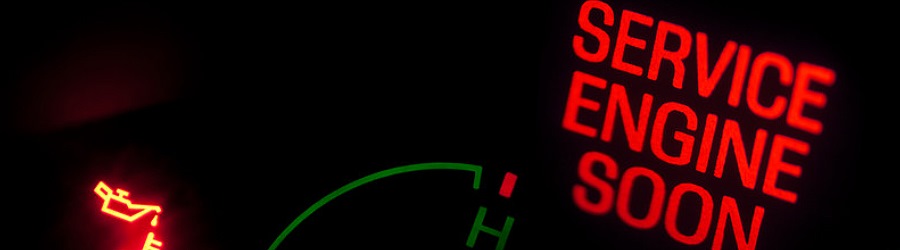
Check Engine Light: The most obvious sign—this light indicates the vehicle's computer has detected a problem.
-
Poor Fuel Economy: A sudden drop in MPG can signal engine misfires, sensor issues, or fuel system problems.
-
Rough Idling or Stalling: If your car shakes, idles unevenly, or stalls, diagnostics can help locate the cause.
-
Loss of Power or Hesitation: Sluggish acceleration or performance issues may be tied to engine or transmission trouble.
-
Strange Noises or Smells: Unusual engine sounds or exhaust smells can indicate mechanical or sensor problems.
Having engine diagnostics performed at the first sign of trouble ensures your car or truck stays reliable, efficient, and safe on the road. Regular scans—especially when paired with routine maintenance—can help extend the life of your vehicle.
-




| Login