
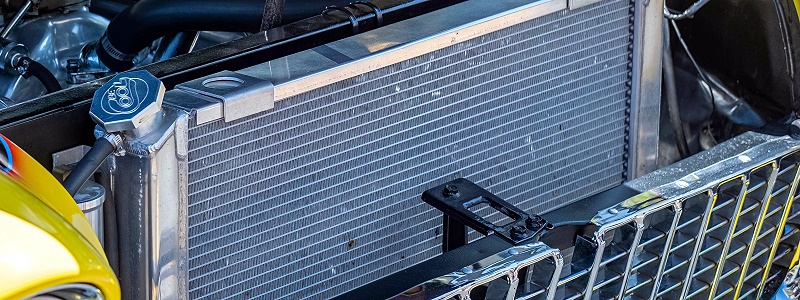
Your radiator is a critical part of your vehicle’s cooling system, helping prevent your engine from overheating. Ignoring radiator issues can lead to serious engine damage and costly repairs. Here’s when you should have your radiator checked, repaired, or replaced:
Signs You Need to Get Your Radiator Checked:
-
Engine Overheating: If your temperature gauge rises above normal or you see a warning light, the radiator may not be doing its job.
-
Coolant Leaks: Puddles of green, orange, or pink fluid under your vehicle can indicate a leaking radiator or hose.
-
Low Coolant Levels: Constantly refilling coolant is a red flag—there may be a leak or internal issue.
-
Rust or Discoloration: Visible rust on the radiator or brown coolant can signal internal corrosion, which can clog or damage the system.
-
Coolant Sludge: Thick or dirty coolant reduces the radiator’s ability to transfer heat effectively.
-
Steam from the Hood: Steam while driving or after shutting off the engine usually means overheating and could be linked to radiator failure.
When Repairs May Be Enough:
-
Small cracks or leaks in plastic tanks or hoses.
-
Damaged or loose radiator cap.
-
Clogged fins or external debris restricting airflow.
In these cases, a mechanic may be able to flush the system, seal leaks, or replace individual parts.
When Replacement Is Necessary:
-
Extensive internal corrosion or clogging.
-
Cracked or damaged core that can’t be sealed.
-
Repeated overheating problems despite repairs.
-
Older radiators made of plastic that have become brittle with age.
Preventive Tip:
Have your radiator inspected during regular maintenance and flush the cooling system according to your manufacturer’s schedule—usually every 30,000 to 60,000 miles.
Catching radiator problems early can help you avoid major engine damage and keep your car or truck running smoothly, especially during extreme weather conditions.